Research
Books
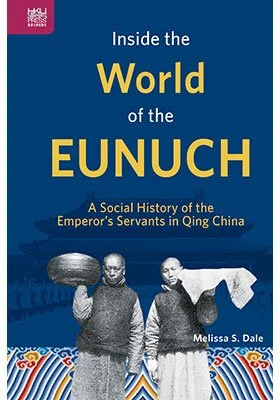
Inside the World of the Eunuch: A Social History of the Emperor’s Servants in Qing China
The history of Qing palace eunuchs is defined by a tension between the role eunuchs were meant to play and the life they intended to live. This study tells the story of how a complicated and much-maligned group of people struggled to insert a degree of agency into their lives. Rulers of the Qing dynasty were determined to ensure the eunuchs’ subservience and to limit their influence by imposing a management style based upon strict rules, corporal punishment, and collective responsibility. Few eunuchs wielded significant political power or lived in a lavish style during the Qing dynasty. Emasculation and employment in the palace placed eunuchs at the center of the empire, yet also subjected them to servile status and marginalization by society.
Seeking more control over their lives, eunuchs serving the Qing repeatedly tested the boundaries of subservience to the emperor and the imperial court. This portrait of eunuch society reveals that Qing palace eunuchs operated within two parallel realms, one revolving around the emperor and the court by day and another among the eunuchs themselves by night where they recreated the social bonds—through drinking, gambling, and opium smoking—denied them by their palace service. Far from being the ideal servants, eunuchs proved to be a constant source of anxiety and labor challenges for the Qing court. For a long time eunuchs have simply been cast as villains in Chinese history. Inside the World of the Eunuch goes beyond this misleadingly one-dimensional depiction to show how eunuchs actually lived during the Qing dynasty.
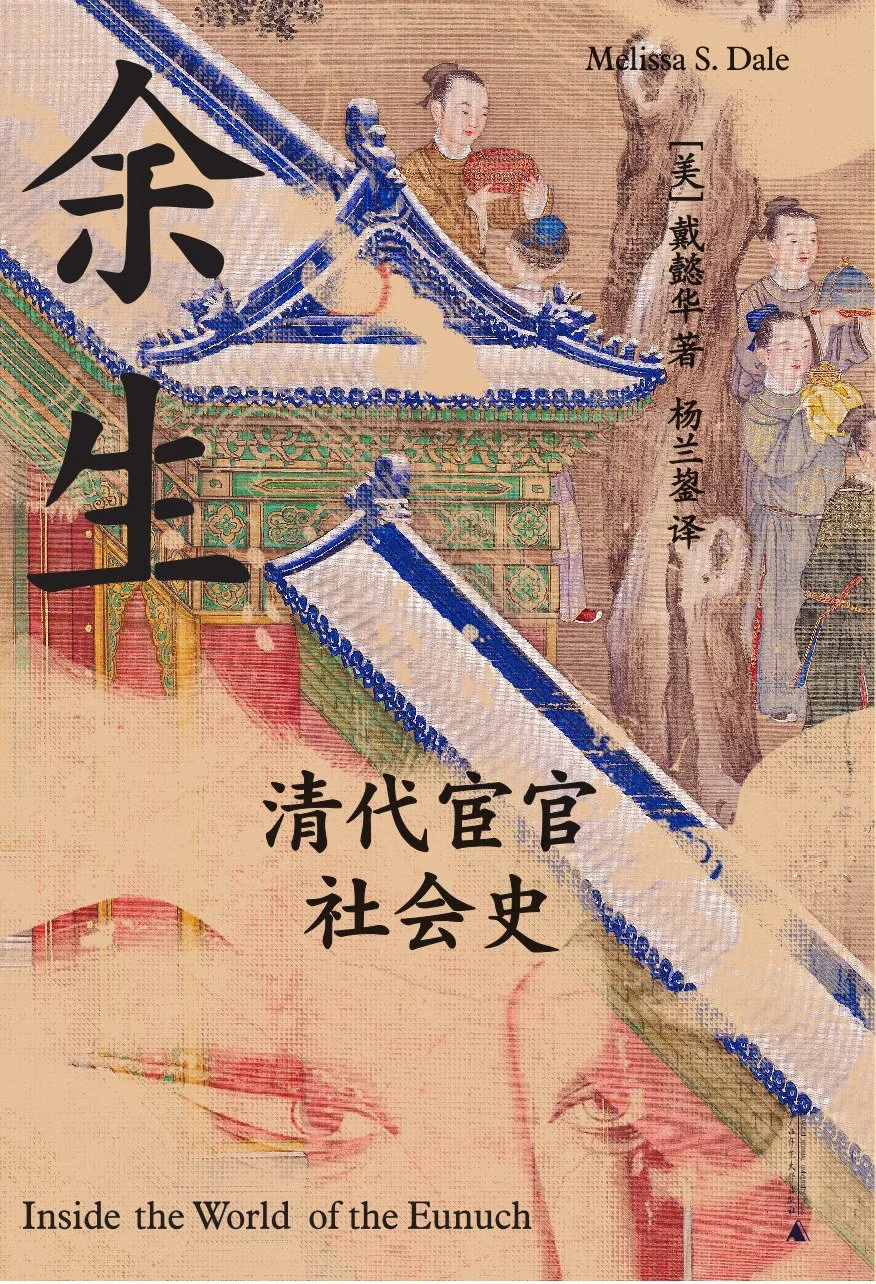
余生:清代宦官社会史
【本书简介】从清朝初年到帝制的终结,太监们始终在紫禁城的阴影下挣扎求生,很少能够掌握重要的政治权力或过着奢华的生活。他们既是帝王的仆从,也是社会的边缘人。阉割之刑、宫廷规矩、奴仆身分──这些严苛的束缚并未完全压制他们对自由的渴望。
白天,他们穿梭于宫廷之间,履行自己的职责;夜晚,他们透过赌博、喝酒等一系列不被允许的活动,在紫禁城的缝隙中努力建构自己的江湖。
本书讲述了一群复杂、饱受诟病的人如何艰难地为自己的生活注入一定程度的动力,呈现了清朝太监的真实生活——这里没有史书中的「忠奸」标签,作者将研究视角投向一群被碾碎身体却未被磨灭人性的灵魂,试图在帝国的齿轮间为他们保留一席之地。
Articles
“Running Away from the Palace: Chinese Eunuchs during the Qing Dynasty,” Journal of the Royal Asiatic Society 27, No. 1 (2017): 143-164. https://doi.org/10.1017/S135618631600047X
“Understanding Emasculation: Western Medical Perspectives on Chinese Eunuchs,” Social History of Medicine 23, No. 1 (April 2010): 38-55. https://doi.org/10.1093/shm/hkp139
Editor, Reference Guide to Missionary Societies in China, by R. G. Tiedemann (New York: M.E. Sharpe, 2009).
从近年英⽂学术著作看妇女与基督教在近代中国的研究现状 (English Language Publications on Women and Christianity in Modern China: The State of the Field), 清史议丛 (Qing History Overseas Research 4), 北京 Beijing: 中国⼈民⼤学出版社 People’s University Press: 271-288.
Co-Compiler, 乾隆西域戰圖密檔薈萃 (Qianlong’s Commissioned Painting Documents of the Battles in the Western-Regions) (Beijing: First Historical Archives, 2007).
“With the Cut of a Knife: A Social History of Eunuchs during the Qing Dynasty (1644-1911) and Republican Periods (1912-1949).” Ph.D. dissertation, Georgetown University, 2000.
Podcast
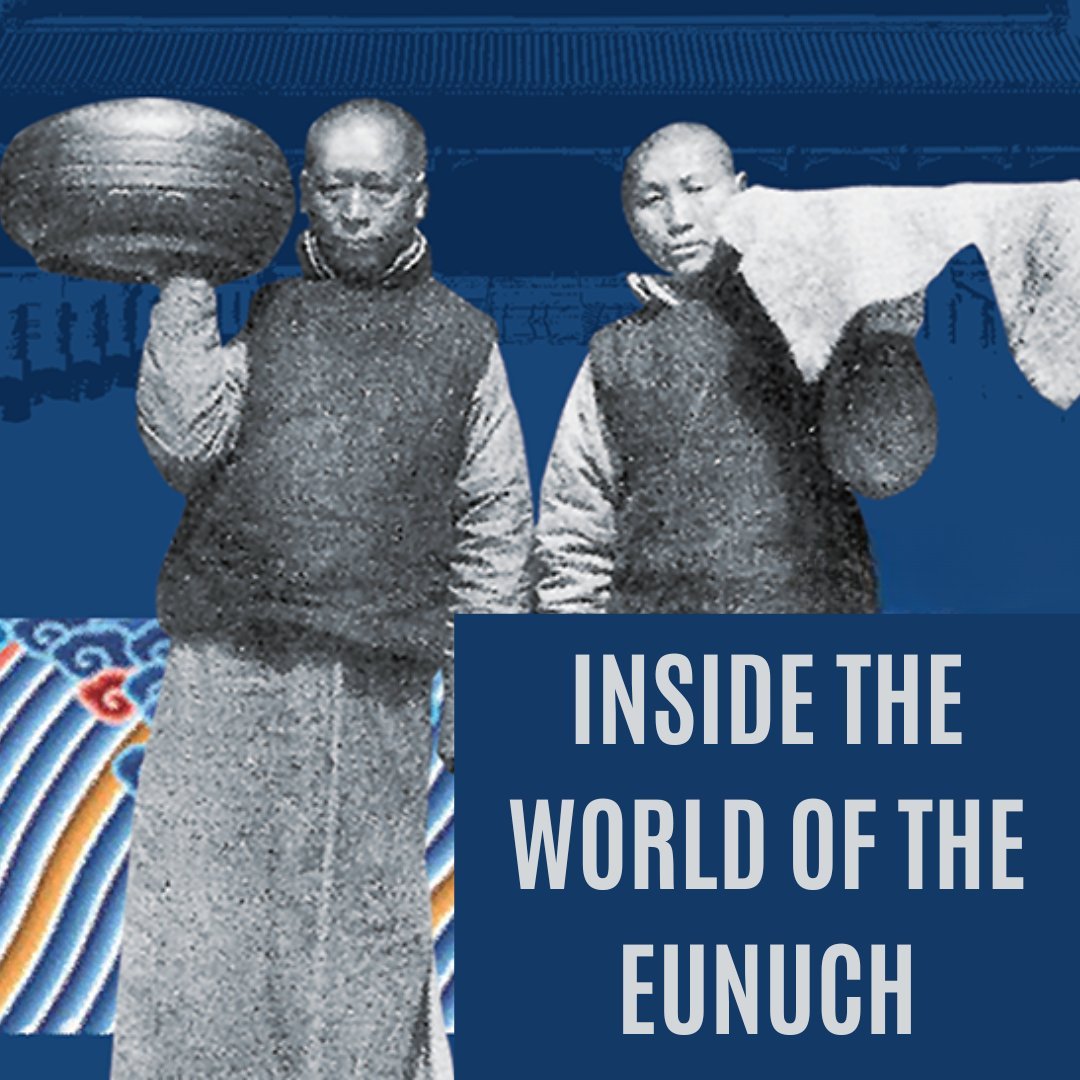
July 16, 1923 marked the 100-year anniversary of Puyi, the last emperor of China’s, dispersal of the eunuchs from the palace. On this date, the last emperor of China expelled more than 1000 eunuchs from the Forbidden City.